



To promote precision medicine, the National Health Insurance Administration (NHIA) held an "Project Showcase for the Strategic Planning and Establishment of an Infrastructure for Next Generation Sequencing (NGS) Data" on May 14, 2026. The event highlighted the standardized procedures for NGS data collection while participating hospitals and testing institutions shared their experiences from the pilot projects. The initiative aims to achieve the vision of a "Healthy Taiwan" through cross-institutional medical data interoperability and digital transformation.
Lian-Yu Chen, Director General of the NHIA, stated that NGS has been covered under the NHI program since May 2024. NGS testing panels for solid and hematologic tumors are provided to assist physicians in developing personalized treatment plans and delivering precision medicine. A total of NT$300 million has been allocated for this initiative. As of February 2026, 62 hospitals had submitted NGS-related claims covering 27 cancer drugs across 10 types of cancer, benefiting nearly 5,700 patients.
Director General Chen pointed out that, in the past, genetic testing reports were usually generated in PDF format or as unstructured plain text. Inconsistent narrative styles and numeric formats hindered digitalization and automation in healthcare. To enhance the utilization of NGS data, the NHIA launched the "Strategic Planning and Establishment of an Infrastructure for Next Generation Sequencing (NGS) Data" project in October 2025 and adopted the Fast Healthcare Interoperability Resources (FHIR) international standard to ensure data interoperability across institutions.
In addition, the National Health Research Institutes (NHRI) illustrated the NGS data collection format and transfer mechanism. Linkou Chang Gung Memorial Hospital, Shin Kong Wu Ho Su Memorial Hospital, along with testing institutions, shared their experiences in standardizing genetic testing data and integrating clinical data upload workflows.
The NHIA also encouraged hospitals to submit electronic medical records (EMRs) in FHIR format for cancer drug prior authorization applications. As of April 2026, 81 hospitals were participating, with 35 submitting data in FHIR format. Statistics from the past three months show that liver cancer drug applications ranked first, with 29% of applications submitted in FHIR format, followed by colorectal cancer drug applications at 24%. The initiative has now expanded to include NGS data, gradually integrating patient information from cancer diagnosis and treatment to outcome follow-up. Moving forward, patients' cross-hospital medical records and medication histories will be shared through cloud-based systems, enabling physicians to make more precise diagnoses and prescription decisions.
 ▲Fig. 1: On May 14, 2026, the "Project Showcase for the Strategic Planning and Establishment of an Infrastructure for Next Generation Sequencing (NGS) Data" was held. Attendees included NHIA Director General Lian-Yu Chen (front row center), Vice President Chih-Hsin Yang of National Taiwan University (front row, second left), etc..
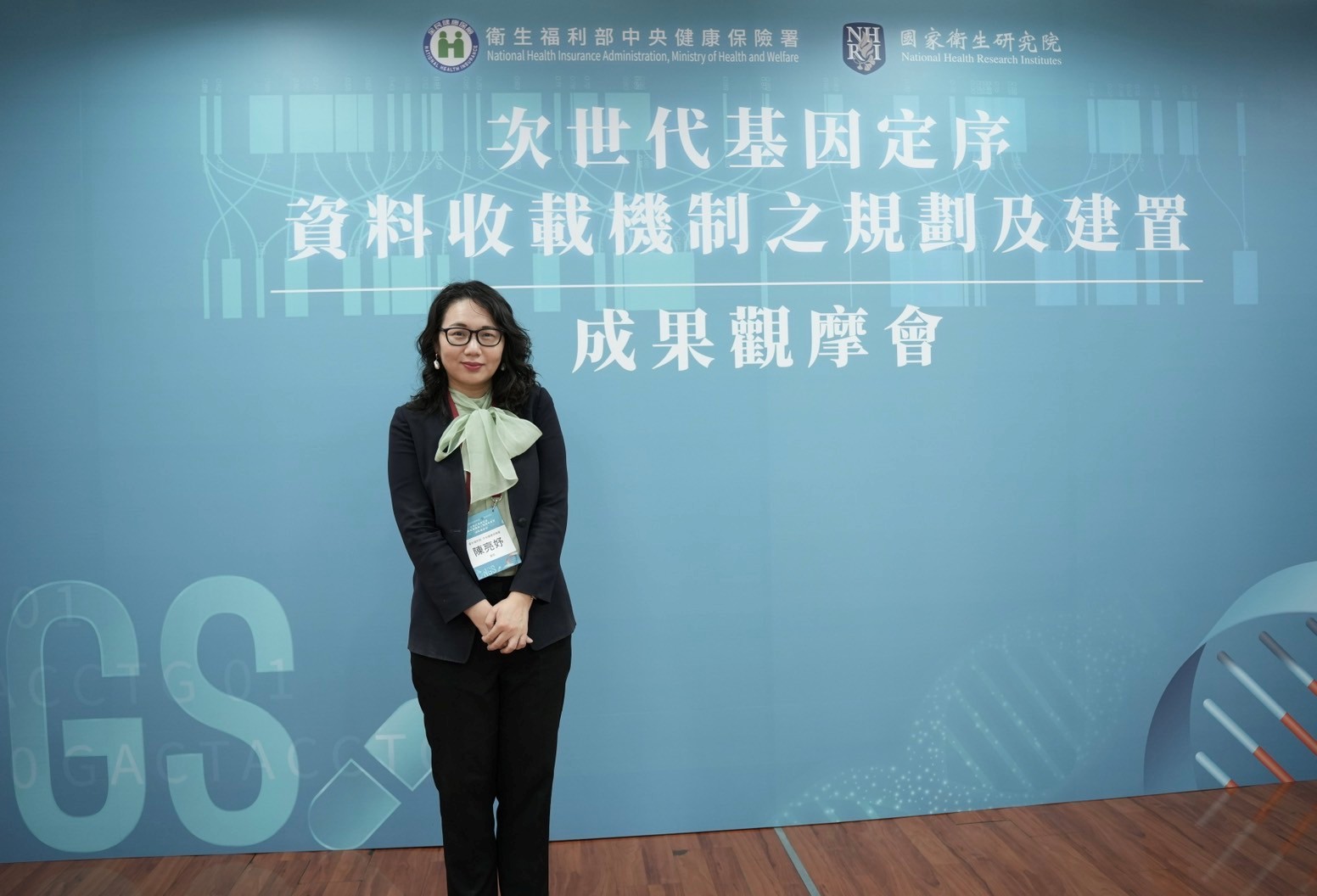 ▲Fig. 2: At the NGS project showcase, Director General Lian-Yu Chen presented the progress of the NGS data collection initiative.
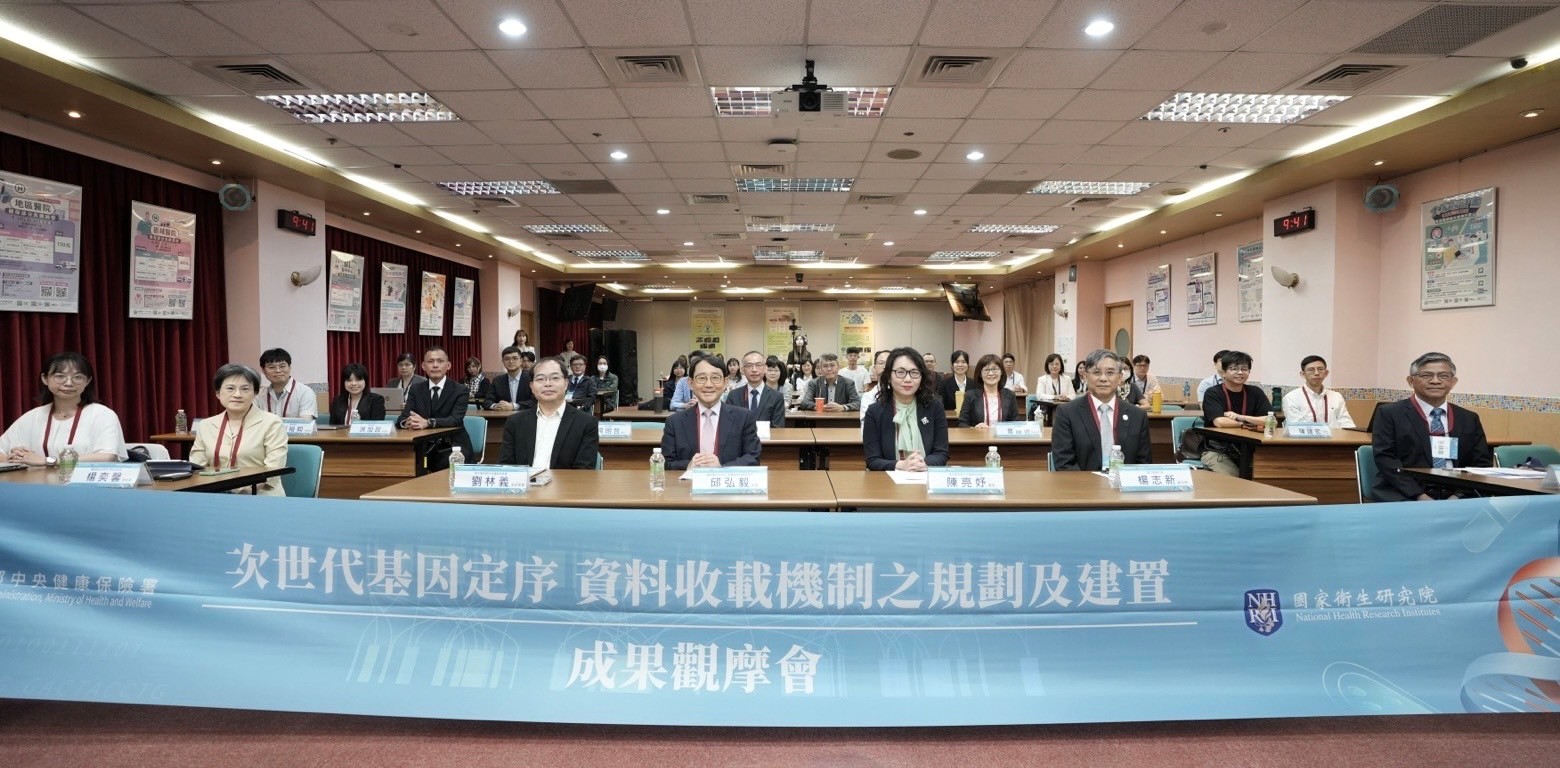 ▲Fig. 3: The NHIA invited experts, scholars, and representatives from hospitals and testing institutions to participate in the Project Showcase.